No products in the cart.
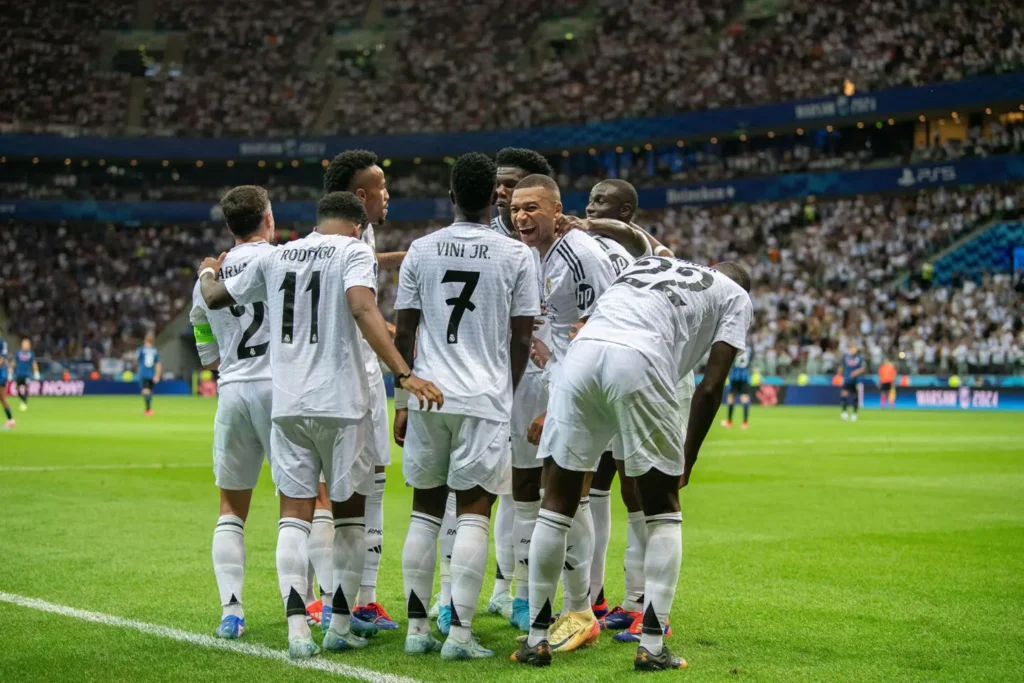
How to Choose the Right Activewear for Every Workout
Whether you’re hitting the gym, going for a morning run, practicing yoga, or training outdoors, the right activewear can make


A high school football coach once switched his team from blue jerseys to black the week before playoffs, convinced the color alone would make his players hit harder. They lost by three touchdowns. The color didn’t fail him. His assumption about what color psychology actually does failed him.
Team colors do influence behavior, but rarely in the direct “red makes you win” way that gets repeated in locker room speeches. The real effects are subtler, tied to perception, officiating bias, and how a color shapes a player’s sense of identity, not some hidden switch that turns confidence into speed.
The idea that red uniforms boost performance traces back to a 2005 study of the 2004 Olympics, which found combat sport athletes in red won more often than those in blue. The finding spread fast, and soon red became shorthand for dominance in sports media.
What gets left out is the pushback that followed. Later researchers pointed out the effect was strongest in close matches and nearly vanished in lopsided ones, which suggests referee perception mattered more than any boost to the athlete wearing red. Attempts to replicate the effect in team sports produced weaker and less consistent results.
A well known 1988 study found that observers rated black uniforms as more aggressive than identical uniforms in other colors, and NFL and NHL teams in black drew more penalties over time. That part is real and worth taking seriously.
The harder question is whether black uniforms cause the aggression or whether teams already inclined toward physical play tend to choose black. Most of the uniform color research struggles to separate the two, and teams that switch colors don’t reliably inherit a new penalty rate overnight.
Color psychology isn’t only about how opponents and referees perceive a team. Research on what psychologists call enclothed cognition shows that what a person wears can change how they see themselves, independent of anyone else’s opinion. A jersey that a player feels sharp and confident in changes posture and effort before a single whistle blows.
This is why a jersey redesign sometimes coincides with a real performance bump. It’s rarely the color itself doing the work. It’s the sense of investment and identity that came with the new look, which is a psychological effect a coach can create without gambling on a specific color.
Context changes everything. A dark jersey in a physical, high-contact sport like football carries different associations than the same color in a finesse-based sport like basketball or volleyball. Rivalry history also matters. A color tied to a hated rival will read differently to your own fans and players than the same color would on a fresh expansion team.
Climate and visibility play a role too. Dark colors absorb more heat, which is a real physical factor tied to fabric choice, not psychology, and a lightweight breathable fabric can offset some of that heat gain during long games.

The most common mistake is treating one popular study as settled science and rebranding an entire program around it. Chasing a single headline finding ignores the years of contradicting or weaker follow up research that rarely makes it into locker room talks.
The second mistake is spending a season’s uniform budget on a color change instead of on fit, durability, or training gear, on the theory that the color switch alone will move the scoreboard. The third mistake is changing colors so often that the team never builds the kind of visual identity that actually supports confidence over time.
The more reliable path is consistency. A color a team wears year after year becomes tied to real memories of wins, rivalries, and effort, and that association is what generates confidence, not the wavelength of light bouncing off the fabric.
Pair that consistency with practical decisions like visibility for officials and fans and comfort in your climate. If you’re unsure where to start, talk to our design team before locking in a full team order, since those practical factors influence morale in ways that are easier to control than trying to out-guess referee psychology.
The research shows black uniforms are perceived as more aggressive and linked to more penalties in some leagues, but it doesn’t prove the color causes rougher play. Team culture and coaching style likely explain more of the variation than the jersey itself.
Switching colors based on one study is a weak strategy on its own. The original red effect was strongest in narrow, subjective judging calls and hasn’t held up consistently across other sports.
Younger players respond more to how a jersey makes them feel part of a team than to any intimidation factor aimed at opponents. Fit, comfort, and seeing their own name on it tend to matter more than color choice at that age.
A poorly timed switch right before a big game can backfire if players view the new color as a gimmick rather than an upgrade. Confidence built on a rushed rebrand tends to be shakier than confidence built on preparation.
Consistency, fit, and how invested players feel in the jersey they’re wearing matter more than any specific color choice. A team that trusts its gear and has worn it through real competition carries more genuine confidence than one relying on a color theory.
That coach who switched to black before playoffs was chasing a shortcut that research never actually promised. His team lost not because black failed them, but because three days in a new color can’t replace the identity a team builds over a full season.
Color can support performance when it’s part of a consistent identity a team is proud of, not a hack applied the week before a big game. The jerseys that seem to carry a psychological edge are usually the ones players have already trusted through real wins and losses.
What would your team actually gain from a new color, and would you trust it more than the identity you’ve already built?
Whether you’re hitting the gym, going for a morning run, practicing yoga, or training outdoors, the right activewear can make
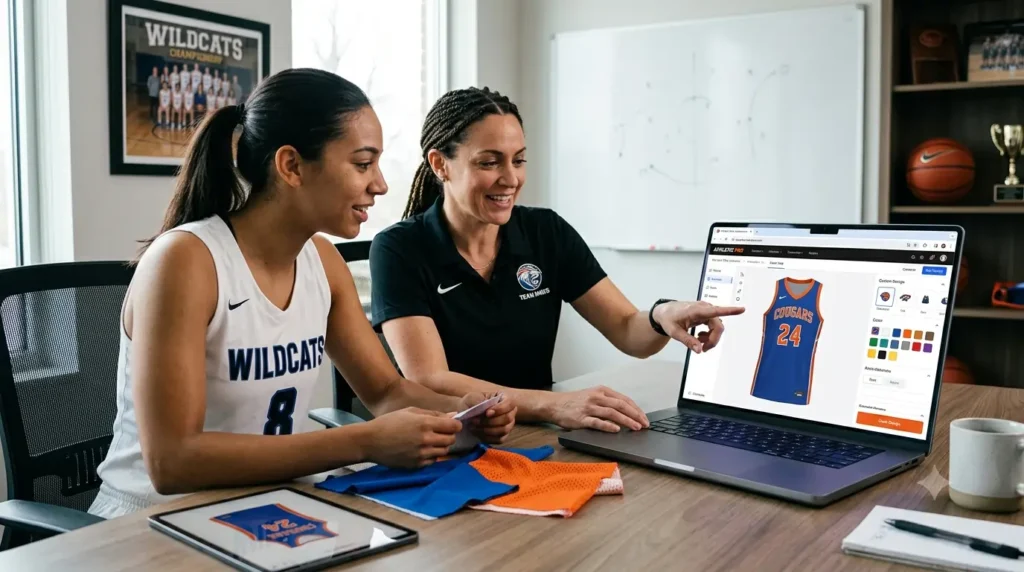
Athletes sometimes face severe overheating and restricted mobility during intense tournament games because of heavy, non-breathable athletic clothing. Selecting court
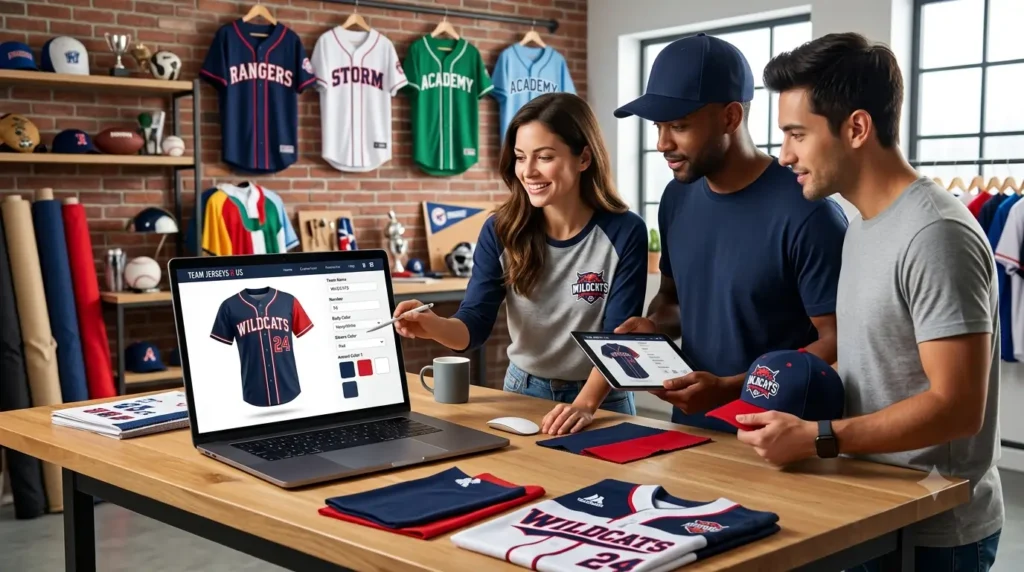
Ballplayers frequently experience severe fabric friction and restricted shoulder rotation because of poorly tailored workout clothing. Selecting team uniforms requires