No products in the cart.

How to Choose the Right Activewear for Every Workout
Whether you’re hitting the gym, going for a morning run, practicing yoga, or training outdoors, the right activewear can make


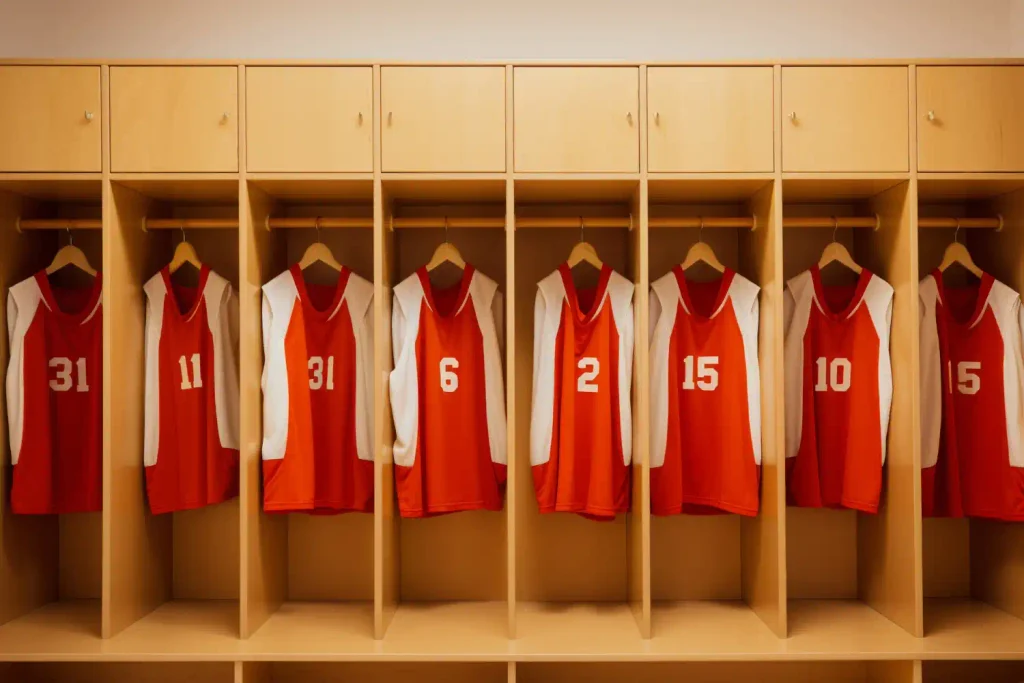
A club soccer kit is more than a jersey. It is the club’s identity on every field it visits, from U8 small-sided games to U19 showcase tournaments. Clubs that plan the full kit system up front (home, away and goalkeeper together) avoid color clashes, mismatched reorders and the classic problem of a keeper borrowing an opponent’s pinnie.
This guide lays out how to plan all three kits as one system.
| Kit | Components | Who Wears It |
| Home kit | Jersey, shorts, socks | All field players |
| Away kit | Jersey, shorts, socks | All field players |
| Goalkeeper kit | Jersey (often long sleeve), shorts or pants, socks | Keepers only; ideally 2 color options |
| Training kit | Training top, shorts | Everyone, daily practice |
| Sideline layer | Warm-up jacket or hoodie | Players and coaches |
Most clubs budget for the first two and forget the rest until the first tournament. Plan all five and your club looks organized from day one.
The Laws of the Game (Law 4) require the two teams to wear colors that distinguish them from each other and from the match officials. Each goalkeeper must wear colors that distinguish them from the other players and the officials.
That is the baseline for club play. Leagues and tournaments then add their own rules about who changes when colors clash.
If your players also compete in high school soccer, NFHS rules are stricter:
Club teams are not bound by NFHS color rules, but many clubs mirror the dark/light approach because it avoids clashes almost everywhere.
Build one kit dark and one kit light. That single decision prevents almost every clash.
| Home Kit Color | Recommended Away Kit | Why |
| Navy | White or light gray | Maximum contrast |
| Red | White or black | Two clear fallback options |
| Royal blue | White or yellow | Yellow reads well on grass |
| Black | White or bright color | Avoid clashing with referees in black |
| Green | White | Green fades into grass on camera |
| White | Dark club color | Standard dark alternate |
Watch out: referees often wear black, yellow, red, green or blue. A black home kit can clash with officials, which is why many clubs make black a third kit instead of the main one.
Goalkeeper kits cause more gameday problems than anything else. The keeper must stand out from both teams and the referee. If your keeper only owns one jersey, sooner or later it clashes with somebody.
Order every goalkeeper two jerseys in two different high-visibility colors. That covers almost every matchup.
| GK Color Pair | Covers Clashes With |
| Neon yellow + black | Most dark and light field kits |
| Lime green + purple | Teams in yellow, black or gray |
| Orange + gray | Blue, white and green kits |
| Pink + teal | Red, black and yellow kits |
| Spec | Recommendation | Reason |
| Fabric | 100 percent polyester performance knit | Wicks sweat, dries fast |
| Weight | About 130 to 160 GSM for field jerseys | Light but durable |
| Decoration | Full dye sublimation | Crests and patterns never crack or peel |
| Numbers and names | Sublimated or heat-applied | Sublimation lasts the longest |
| Socks | Ribbed calf, cushioned foot | Holds shin guards in place |
| Shorts | Elastic waist with internal drawcord | Comfortable for all ages |
Sublimation is our default recommendation for clubs. The design is dyed into the fabric, so kits stay sharp after a season of weekly washes. Browse our custom soccer uniforms to see what full sublimation looks like on club designs.
U.S. club soccer runs almost year-round, and your kit needs to handle it.
| Climate Condition | Kit Adjustment |
| Hot summer tournaments (South, Southwest) | Lightest mesh jersey, light-colored away kit, extra jersey per player for doubleheaders |
| Cold fall and spring (Northeast, Midwest) | Long-sleeve jersey option, solid-color base layers allowed by most leagues |
| Rain-heavy regions (Pacific Northwest) | Quick-dry knit, dark shorts to hide mud |
| Turf-heavy fields | Padded GK pants, abrasion-resistant keeper jerseys |
Clubs with many age groups need a numbering system that survives reorders.
Sizing across U8 to U19 is its own puzzle. Our jersey size charts guide covers youth, adult and women’s cuts.
Many clubs sell kits as a package through registration. Here is how a typical package breaks down in relative terms.
| Package Tier | Contents | Relative Cost | Best For |
| Basic | Home jersey, shorts, socks | 1x | Rec and U8 small-sided |
| Standard | Home + away jerseys, 1 shorts, 2 socks | About 1.6x | Most club teams |
| Premium | Standard + training top + warm-up jacket | About 2.5x | Competitive and travel teams |
| Goalkeeper add-on | 2 GK jerseys, GK shorts or pants | About 1.2x | Every team, 2 keepers minimum |
Why the standard package wins: one pair of shorts can serve both kits if you choose a neutral color (black, navy or white). That cuts cost without hurting the look.
Some clubs offset costs with sponsors. Our guide to getting team sponsors on your jersey covers placement and pitch tiers.
Your kit system should extend beyond the match jersey. Warm-up tops and jackets keep players warm before kickoff and protect match jerseys from wear. Our breakdown of custom warm-up jackets and shooting shirts explains when these add-ons earn their place.
We design home, away and goalkeeper kits as one matched system, with full sublimation and roster-based numbering. Clubs get a free mockup of every kit before production.
Tell us about your club and age groups, and we will build a kit plan around your colors. Request a club kit quote or learn more about our team.
Most do. The Laws of the Game require teams to wear distinguishable colors, and a dark and light kit pair prevents almost every clash.
A color that stands out from both teams and the referee. Order two keeper jerseys in different bright colors so one always works.
Yes, if the shorts are a neutral color like black, navy or white. Check that the shorts do not clash with the opponent’s kit when you wear the away jersey.
Under NFHS rules, numbers must be at least 4 inches tall on the front and 6 inches on the back. Club leagues often follow similar standards.
Plan home, away and goalkeeper kits together, not one at a time. Pick a dark and a light kit, give every keeper two colors, and keep shorts neutral. That system keeps your club clash-free at every tournament and makes reorders simple for years.
Whether you’re hitting the gym, going for a morning run, practicing yoga, or training outdoors, the right activewear can make
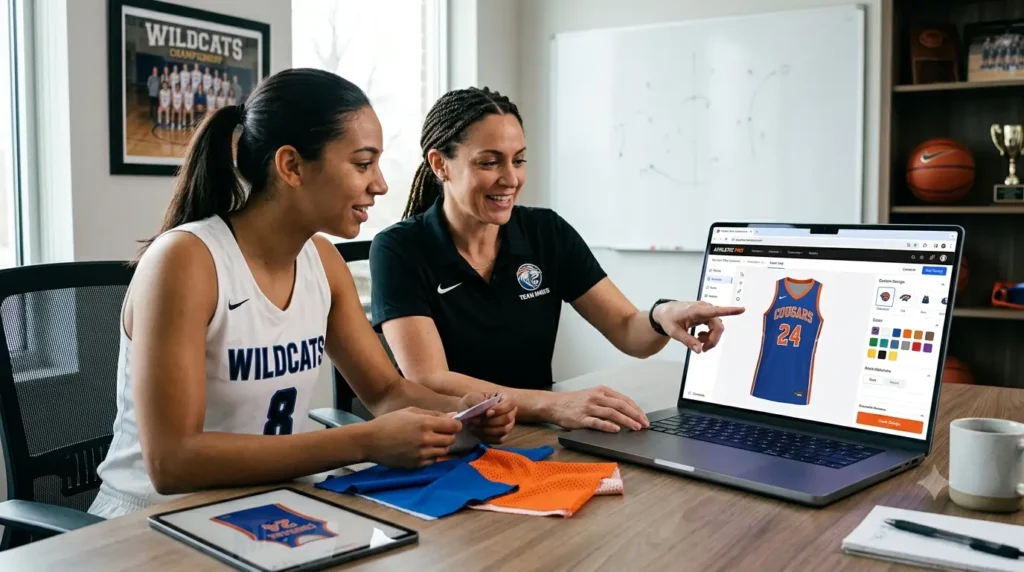
Athletes sometimes face severe overheating and restricted mobility during intense tournament games because of heavy, non-breathable athletic clothing. Selecting court
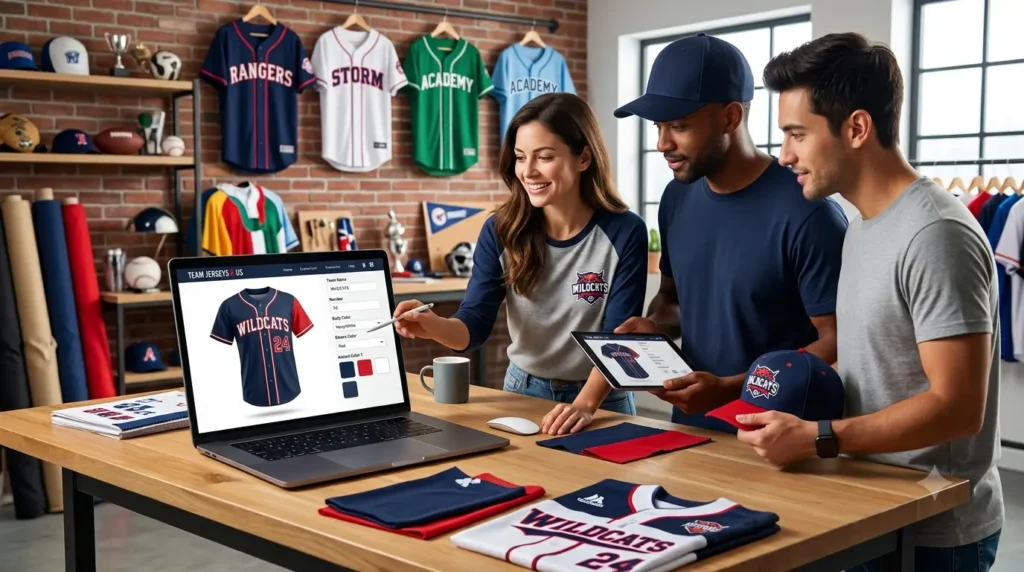
Ballplayers frequently experience severe fabric friction and restricted shoulder rotation because of poorly tailored workout clothing. Selecting team uniforms requires